
Sustainability at G8 Education
At G8 Education we believe in the power of the individual to do good – in the workplace, at home and within the communities in which we operate. Supporting children, families and communities is fundamental to our culture and underpins how we operate our centres every day.
0ur purpose is clear: to nurture the greatness in every child to grow, thrive and learn. This purpose guides our approach to education, care and sustainability, recognising the important role early learning plays in shaping lifelong outcomes.
We have a proud history of supporting various initiatives, charities and appeals. Through our national network of centres, we can contribute positively to the communities in which we operate and empower our people to make a meaningful difference.
We seek to place the needs of children at the heart of everything we do, while supporting families, communities and responsible environmental practices to help built a more sustainable future. .
We recognise the important role we play in the lives of the children in our care, the families we support and the community in which we operate. Through our sustainability approach, we aim to contribute to a robust, equitable and sustainable future for our stakeholders.
Sustainability Approach
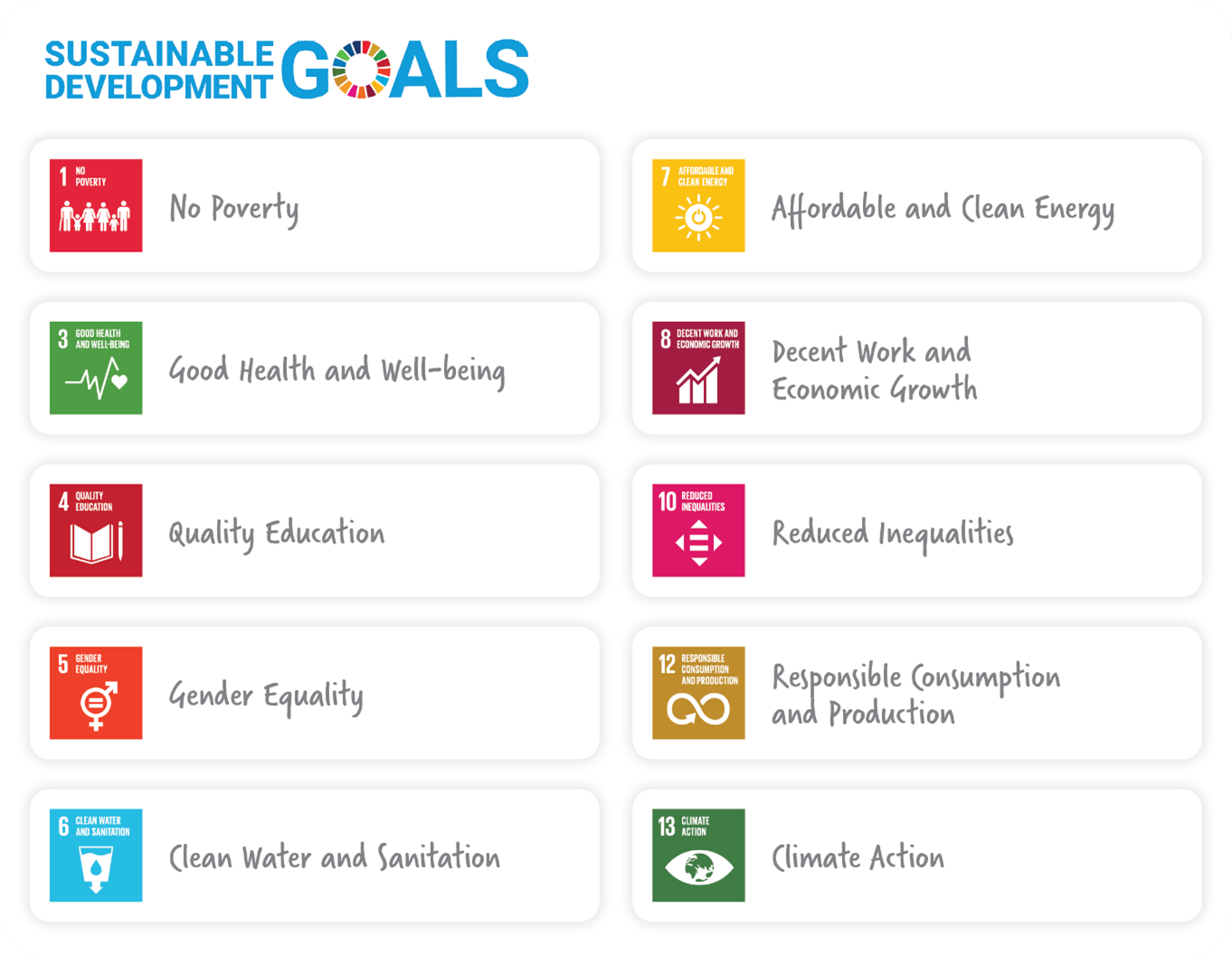 G8 Education’s sustainability approach is focused on creating long term value for children and families, our team members, the communities in which we operate and our investors through the effective management of environment, social and governance (ESG) risks and opportunities.
We recognise the importance of consistent, high quality sustainability reporting and support the global move towards standardised climate and sustainability disclosures. From 2025, we have provided detailed disclosures under the Australian Sustainability Reporting Standards for climate related disclosures through our Climate Report contained in our Annual Report, which is supported by the broader ESG disclosures on this website.
We adopt a continuous improvement approach to sustainability performance and disclosure, guided by our materiality assessment and Sustainability Pillars. These pillars inform how ESG considerations are embedded into governance, operations, risk management and decision making across our business.
We are committed to contributing to the United Nations Sustainable Development Goals (SDGs) and have mapped relevant priority goals to our Sustainability Pillars. Where appropriate and meaningful, we seek to provide transparent information and communicate our progress, recognising the importance of clear, balanced and decision useful information for stakeholders.
Materiality assessment
G8 Education undertakes a structured materiality assessment to identify and prioritise the ESG matters that are most significant to our business and stakeholders, and that are most relevant to long term value creation.
Our approach is informed by engagement with key stakeholders and supported by external specialist consultants, ensuring alignment with evolving best practice and regulatory expectations. We apply a double materiality lens, considering both the impact of our operations on society and the environment, and the financial risks and opportunities that sustainability related issues may present to our business.
The material topics identified through this process are grouped under our four Sustainability Pillars. The materiality matrix reflects the relative importance of each top to stakeholders and its potential impact on our business, supporting a clear prioritisation of ESG risks and opportunities.
The outcome of our latest materiality assessment is set out below:
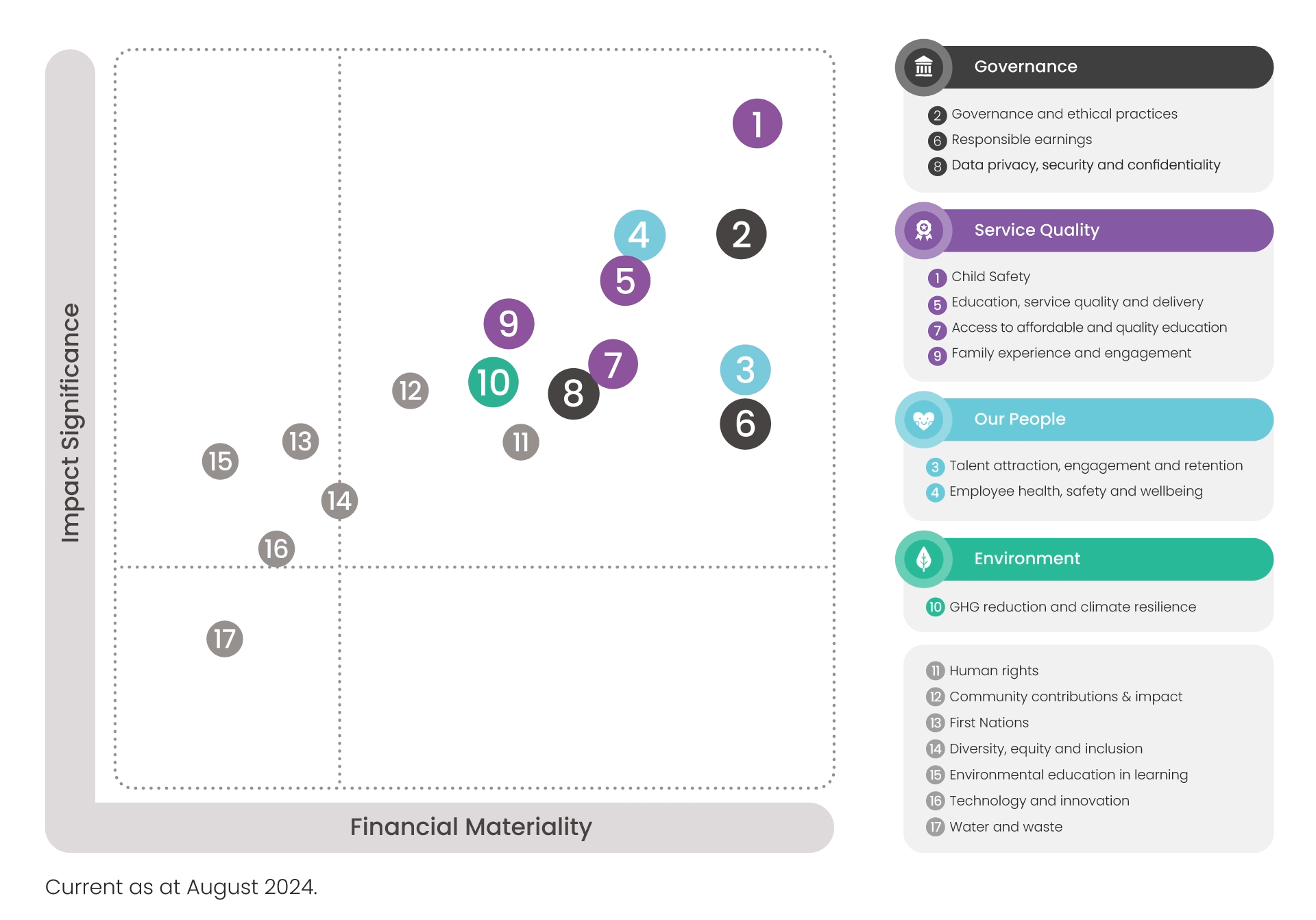
We refresh our materiality assessment on a periodic basis, and at least every three years, to ensure our sustainability priorities remain current as our operating environment, regulatory landscape and stakeholder expectations evolve.
Sustainability Pillars
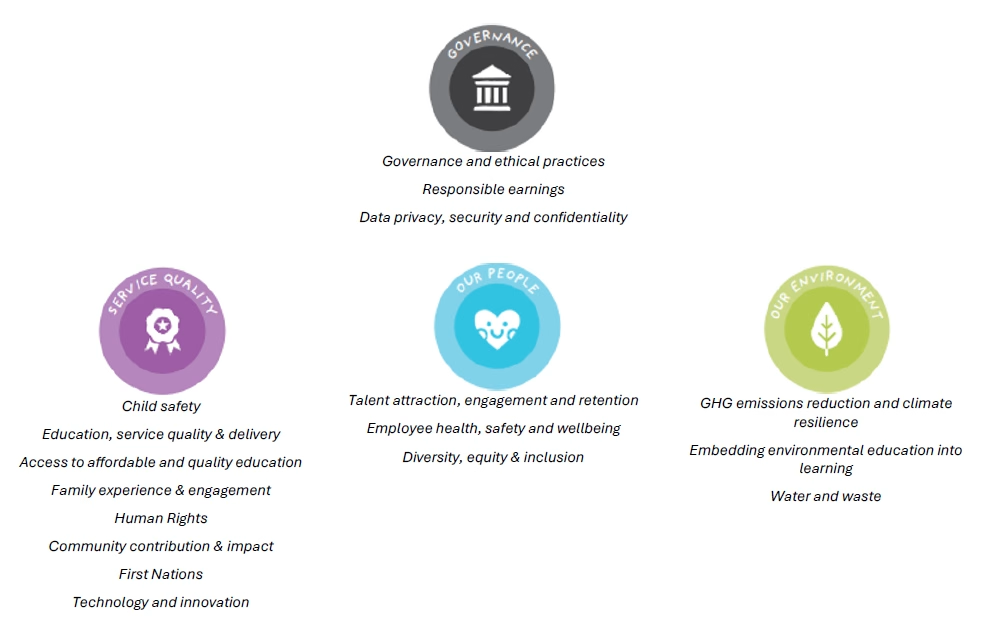
See our progress across each sustainability pillar…
Read on below to learn more about G8 Education’s ongoing efforts across each of our sustainability pillars.
Governance
Governance is the overarching pillar, representing reflecting how critical strong governance is to our success. Stakeholders have increasingly high expectations in relation to financial performance, governance issues and risk management, as well as ethical practices, and want to ensure that management is kept accountable for improving sustainability performance through transparent disclosures. We must demonstrate ethical practices and decision-making throughout all levels of our organisation in order to succeed.
Read more below on our progress and our goals in governance.
Through the oversight of the Board, G8 Education believes that good corporate governance and sound risk management practices are integral to our operational and strategic objectives. We comply with the ASX Corporate Governance Council’s Corporate Governance Principles and Recommendations (4th Edition) and are committed to continuous improvement of our governance and risk management practices. For more detailed information about our Corporate Governance, please refer to our latest corporate governance statement, available here.
Our progress:
- Dedicated Board Safety Committee
- Continuous improvement of Enterprise Risk Management, including through regular risk workshops and Board reporting
- Compliance with ASX Corporate Governance Council’s Corporate Governance Principles and Recommendations (4th Edition)
- Mandatory compliance training on child safety and information security
- Regular incident and compliance reporting to the Board
- Whistleblower and privacy training
- Application of capital allocation framework directing free cash flow based on return hurdles, prioritising investment growth, returning excess capital and/or reducing debt
- Improved advocacy for the sector
- Implementation of supplier portal and procure to pay system to improve transparency and control over supply chain
- Increased focus on privacy and cyber security
Our goals:
- Climate Reporting in compliance with AASB mandatory reporting standard
- Continued investment in Improvement Programs with transparent reporting to stakeholders demonstrating the associated benefits
- Leading advocate for children and the early learning sector
Service quality
Child health and safety is a key focus as well as curriculum delivery and family experience and engagement. Service Quality is G8 Education’s core business and is directly linked to our families’ satisfaction with our services and centre occupancy driving financial returns.
We are dedicated to offering high-quality and inclusive early childhood education and care for children and families. Our play-based, child-led pedagogy aligns with the National Quality Framework (NQF) principles. These guiding principles include respecting and positioning the rights of every child as paramount to everything we do as an organisation, viewing all children as competent and capable learners, a continued commitment to equity and inclusion, valuing Australia’s Aboriginal and Torres Strait cultures, recognising families as children’s first teachers, and ensuring centres are embedding quality every day.
Read more below on our progress and our goals in our service quality.
Our progress:
- 95% of centres are “meeting” or “exceeding” NQS
- Extensive training on Child Protection and Mandatory Reporting to promote a strong child protection culture
- Compliance with the NQS is a non-financial key performance indicator that impacts remuneration under the group’s short term incentive plans
- Investment in quality improvement programs with a focus on building the capability of educators and teachers to enhance pedogogy and practice
- Educational Advisory Committee to provide thought leadership to the organisation in supporting the Education Strategy
- Enterprise Reflect Reconcilation Action Plan endorsed and published by Reconciliation Australia
- Appointment of inhouse Family Support Team and “Always on” Net Promoter Score
- Joined Care Economy Cooperative Research Centre
- Engaging with families and communities through various community support initiatives including:
- gift packs and other inititives for teams and families that have been through challenging times
- Cleaning up Australia
- Gathering pyjamas for Pyjama day
- Nappy collections
- Blood donations
Our goals:
- YOY improvement in % of network ‘Meeting’ or ‘Exceeding’ under the NQS
- Implement Internal Quality Measure to bring timely views on quality and enabling targeted support
- Meet deliverables required under Reconcillation Action Plan
Our People
Our People and the culture of our teams are what create and maintain our reputation. As a people-focused business, employee health and safety, talent management, development and retention drive the success of G8 Education. It is critical that we retain and invest in values-driven team members who are committed to the best interest of children under our care.
Team member recruitment and retention remains one of the biggest challenges for G8 Education and improving our employee value proposition and offer is one of our key strategic priorities. We will continue to invest in our people and are finding new ways to advocate for and recognise the value and significant work of those working in the frontline of our sector.
Read more below on our progress and our goals in our people and teams.
Our progress:
- More than 1,500 team members are enrolled in the G8 Study Pathways Program, supporting ongoing capability and development across our network
- Strong gender diversity across the Board and Executive Leadership Team
- Team members actively support community fundraising initiatives
- Sponsor of the National Early Childhood Australia Conference
- Annual ECT roadshow connecting teachers to curriculum developments and peer networks
- Flexible working arranagmenet available to support wellbeing and work-life balance
- Recognised as a finalist in major national employment awards
- Continued focus on improving team retention
- Ongoing reduction in the gender pay gap
- Reduced reliance on agency staff
- Signatory to multi-employer bargaining arrangements in the Early Childhood Sector, supporting workforce sustainability.
Our goals:
- Continue to development of dynamic workforce
- Further develop employee value proposition
- Advocate for improved working conditions and government funding through multi-employer bargaining process
- Further promote divesrity and inclusion amonst team members and within centres
- Increase team member engagement score
- Become an employer of choice in Early Childhood Eaducation
Our environment
Climate change is one of the defining issues of our time, and escalating natural disasters have highlighted the ongoing risk and importance of responding to climate change in Australia and around the world. We play an important role in educating our children on the impacts of climate change and the importance of reducing our environmental footprint.
G8 Education supports the goal of the Paris Agreement to limit global warming to well below 2 degrees Celsius compared to pre-industrial levels, and has set reduction in scope 1 and scope 2 emissions targets with a 1.5 degrees scenario. G8 Education also supports the goals of the Task force for Climate-related Financial Disclosures (TCFD).
Our Climate Report in our Annual Report provides more details on our climate disclosures across governance, strategy, risk management, and metrics and targets.
Read more below on G8 Education’s efforts to make a positive impact on our environment.
Our progress:
- Scenario analysis complete
- Development and implementation of Climate Change Risk Management framework to manage climate related risks and oppoturnities
- Initiatives to reduce our environmental impact including:
- Investing in solar and green energy for our existing centres
- Investing in hybrid vehicles
- Reducing waste creation across our network
- Recycling our waste into clean energy.
- Clear emissions targets of 6% reduction in Scope 1 and Scope 2. GHG emissions aligned with Paris Agreement <1.5 degree scenario
- Appointment of external waste manager to better manage waste and improve waste disclosures moving forward
- Piloting Nappy Recycling Project
- Paperless initiatives in place for investor relations, resulting in 90% reduction in printed annual reports over the past 5 years
Our goals:
- Further rollout of solar program across the network
- Scope 3 emissions reporting and disclosures
- Improved quantitive and qualitative disclosures
- Improved visibility and disclosure of waste generation
- Engagement with key suppliers to jointly sponsor environmental intiatives.